







Search Results for: Espresso Special Blend
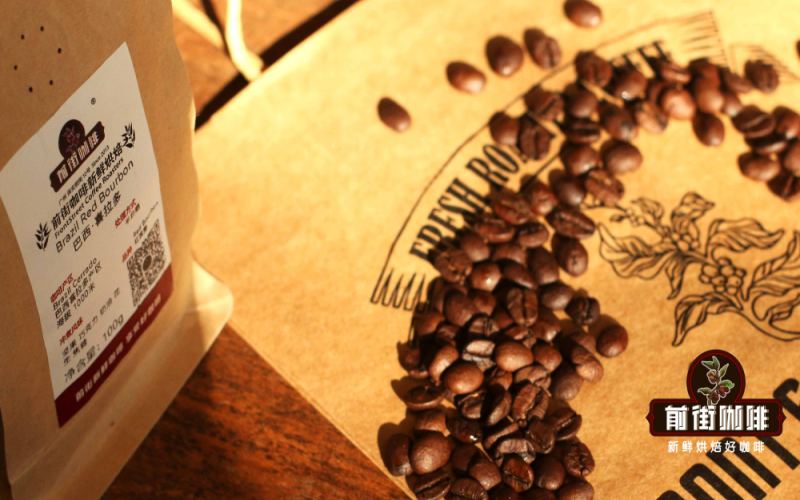
What makes Golden Mandheling coffee so special? A full analysis of Indonesian Mandheling classic herbal-flavor espresso blend beans
Coffee lovers who enjoy low-acid, full-bodied coffee with a distinctive herbal aroma are certainly familiar with Mandheling. And Golden Mandheling, as a premium lot among them, is even more memorable for its clean mouthfeel and pine-like fragrance. This article will walk you through the differences between Mandheling and Golden Mandheling, introduce the Sumatra producing region of Indonesia, explain PWN's quality assurance, and share the roasting characteristics and brewing suggestions for Front Street Golden Mandheling. In addition, we'll introduce an espresso blend that highlights Mandheling's wild aroma—Front Street Classic Blend—along with specific parameters for making espresso, Americano, and hot lattes with it, so you can easily recreate classic flavors at home. [more…]
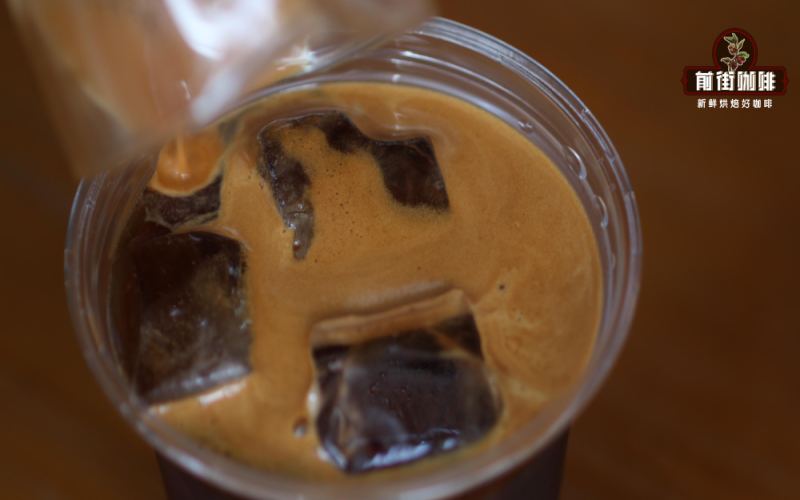
Iced Americano Coffee Ratio | What Are the Key Points of Making Americano? What Is Sparkling Iced Americano, and What's Special About Its Flavor and Mouthfeel?
For more specialty coffee knowledge, please follow our WeChat official account: Front Street Coffee (FrontStreet Coffee). Iced Americano is essentially espresso diluted with iced water. Because it is a black coffee made with only coffee beans and water, it is a 0-calorie, 0-sugar, 0-fat drink. [more…]
Can cheese be integrated into an Italian-style milk coffee? A step-by-step guide to making a savory cheese latte special.
In the depth of winter, nothing is more longed for than a steaming cup of specialty latte. After chocolate mocha, Spanish condensed milk latte, and apple cinnamon latte have taken their turns in the spotlight, coffee lovers have set their sights on an ingredient that seems completely unrelated—cheese. The rich creamy aroma and distinctive salty umami of cheese happen to fill the gap in body and complexity that latte needs. This article focuses on salted cheese latte, starting with why cheese is suited for coffee, then explaining the approach to selecting ingredients, and finally providing complete step-by-step instructions along with Front Street Coffee's bean recommendations, so you can recreate a cheese specialty drink with interwoven salty and sweet notes and a multidimensional mouthfeel right at home. [more…]
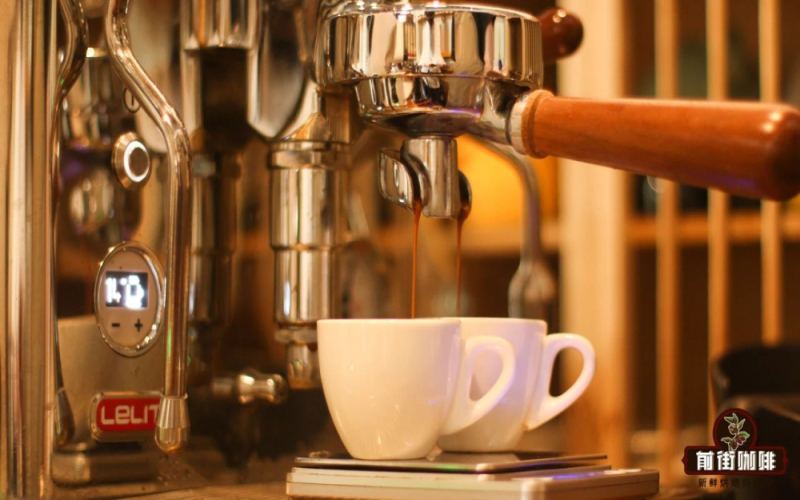
Can a Moka Pot Also Make Golden-Foam Espresso? A Complete Breakdown of the Italian Home Method
In the eyes of many Italians, only espresso deserves to be called "real coffee"—that rich, heavy, even slightly bitter texture has long been woven into their daily lives. As the moka pot found its way into countless homes, this small, compact device became the top choice for making an espresso "stand-in" at home. Recently, Front Street Coffee noticed a special moka pot espresso method: with just a moka pot, ground coffee, and granulated sugar, you can get a coffee that is thick in texture and covered with golden foam on the surface. This article will reproduce this method step by step, from bean selection, grinding, to extraction and frothing, and share the actual flavor tested using Front Street Coffee's Black Cocoa Blend, taking you to experience the unique charm of Italian home coffee. [more…]
Detailed Recipe for Summer Apple Special American Coffee: Three Methods and Ratio Parameters
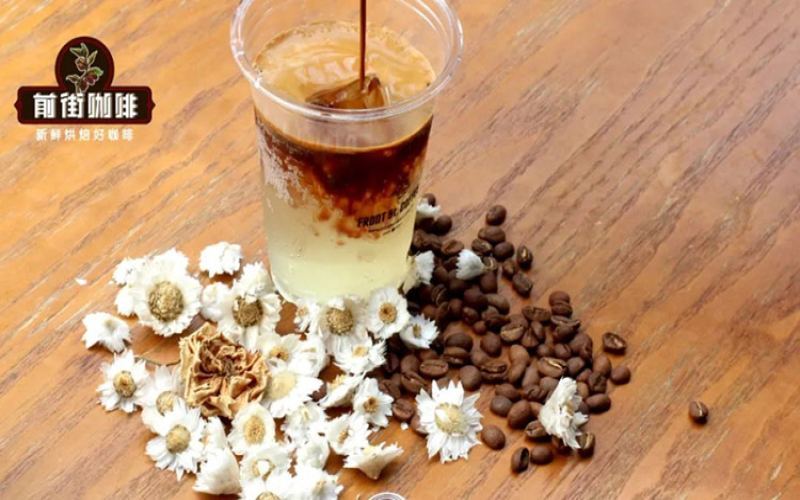
On a hot summer day, a refreshing apple-infused Americano might be exactly what you need. This article centers on the pairing of apple juice and espresso, sharing three different approaches: direct mixing, adding sparkling water, and freezing apple juice into ice cubes. As the star of the coffee, Front Street Mamba Blend Coffee brings the wildness of Mandheling and the cocoa-like balance of Brazilian beans. Whether you have an espresso machine or a moka pot on hand, as long as you get the ratio of juice to coffee and the details right, you can recreate at home an apple Americano with a harmonious taste where the fruity aroma isn't overshadowed. [more…]
What Is an Espresso Blend Coffee Bean? 2026 Commercial Coffee Bean Buying Guide and Recommendations
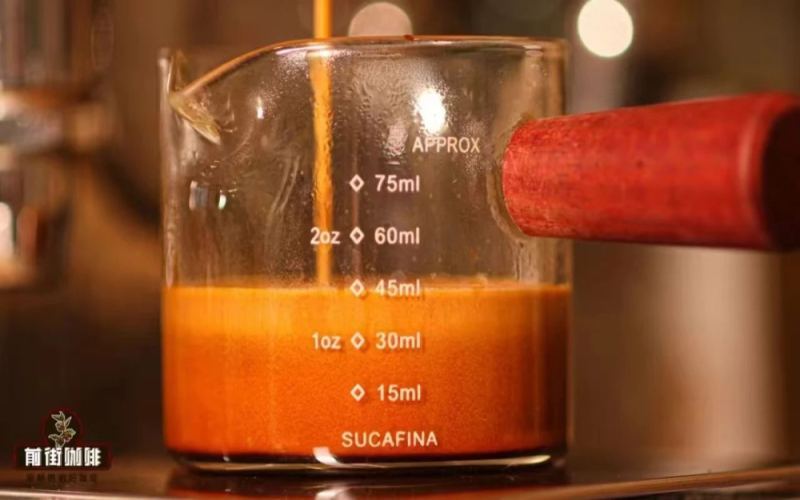
Friends who frequent coffee shops may have noticed that the beans used to make espresso are mostly blends—that is, two or three coffee beans from different origins mixed together, used to produce milk coffee or Americano. So what exactly makes blended coffee beans special? Why have they become the signature choice of so many coffee shops? This article will start with the definition and purpose of espresso blends, then compile a recommended list of commercial coffee beans suitable for café operations and home use, covering multiple products such as Front Street Classic Espresso Blend, Strawberry Candy Espresso Blend, Specialty Blend, and Commercial Espresso Blend, introducing their origin composition, roast level, and flavor performance one by one, to help you find the one that suits you best. [more…]
Can a Moka Pot Make Espresso with Crema? A Complete Guide to Recreating Classic Italian Espresso at Home
In the Italian mindset, only espresso can be called "real coffee"—rich, full-bodied, intensely strong, even with a slightly bitter taste that becomes addictive. This deep-rooted love makes espresso a daily ritual from early morning to late at night. And the invention of the moka pot allowed ordinary families to recreate this Italian flair right in their own kitchens. Recently, Front Street Coffee noticed a video of an Italian grandmother making a special espresso with a moka pot—using only a moka pot, ground coffee, and granulated sugar, she creates a cup of coffee with a thick, viscous texture topped with golden foam. Today, let's try recreating this unique "moka pot espresso" ourselves, from bean selection and grinding to extraction and frothing, step by step reproducing this ingenious Italian home brewing method. [more…]
What's the difference between a cappuccino and a latte? A full breakdown of the dry and wet versions, the golden ring method, and the milk-to-coffee ratio
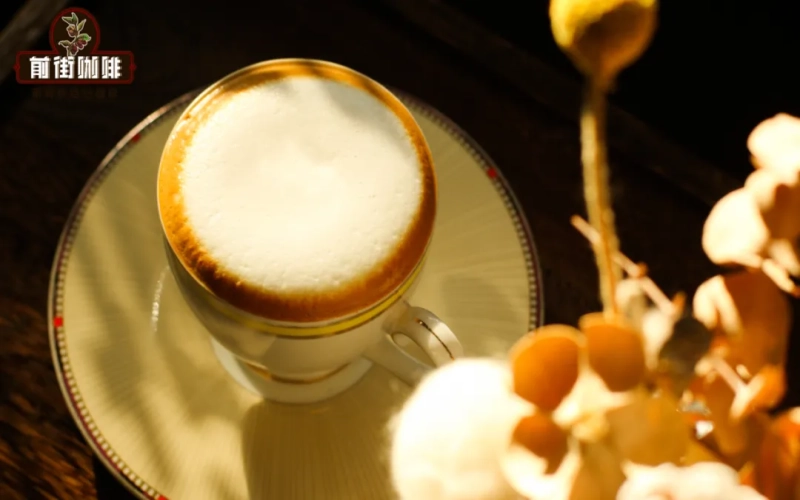
What exactly is the difference between a cappuccino and a latte? Why is cappuccino, despite sharing the same name, divided into "dry" and "wet" versions? This article begins with a special order request encountered at a Front Street store, taking you back through the origins of cappuccino, clarifying the difference between it and a latte in terms of the ratio of milk to coffee, and breaking down in detail the causes and characteristics of dry and wet cappuccinos. At the same time, the article will also share Front Street Coffee's recommended espresso blend bean choices, and how to use espresso and thick milk foam to make a cup of old-school cappuccino with a golden ring, helping you fully understand the layers and charm of this classic milk coffee. [more…]

How to make the best-tasting espresso with almond milk? What coffee beans and parameters should you choose for a classic espresso?
In the scorching summer heat, it's hard to do without iced coffee, but this time Front Street Coffee wants to talk about a relatively niche Italian iced coffee—Caffè Leccese. It comes from Lecce in the Puglia region of Italy, a southern city known as the "Florence of the Baroque," which infuses this cup of coffee with the unique flavor of almond milk syrup. Unlike most Italians who prefer hot coffee, Caffè Leccese is one of the few recognized iced coffees locally, belonging to the "special exceptions" alongside Caffè Shakerato. The article will introduce its origin and flavor characteristics, and share a specific recipe: 10ml almond milk syrup, 60g ice cubes, 40ml espresso extracted from 20g grounds, along with a recommendation to use medium-dark roasted espresso blend beans, especially Front Street Coffee's classic blend containing 10% Robusta, and will also extend to the method for making almond-flavored latte and points to note. [more…]
The Complete Guide to Making Iced Americano: Espresso Ratios, Flavor Changes, and the Feasibility of Instant Coffee
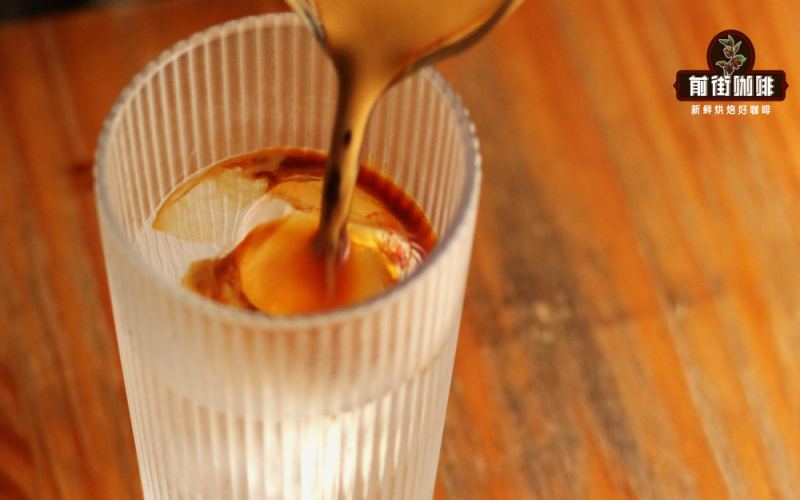
Iced Americano is one of the most common drinks on café menus, yet the methods and flavors vary noticeably from shop to shop. This article focuses on making an iced Americano, starting with the origins of Americano coffee, explaining in detail how the ratio of espresso to water affects strength and mouthfeel, and, drawing on hands-on testing at Front Street Coffee, analyzing what kinds of coffee beans suit the three ratios of 1:4.5, 1:6, and 1:8. The article also shares special ideas about adding water and ice to an iced Americano, as well as the flavor performance of Front Street Sunflower Warm Sun espresso blend coffee beans, helping coffee lovers understand how to make a delicious iced Americano. [more…]
What are the differences between single and double espresso shots? Front Street explains taste evaluation and suitable coffee bean selection
For friends who love espresso, the difference between a single shot and a double shot lies not only in the dose, but also has a direct impact on the flavor and strength in the cup. Front Street Coffee systematically sorts out the core differences between the two, from extraction parameters and the choice of filter basket and portafilter to grind size adjustment, and shares how to judge whether a shot of espresso is up to standard from three dimensions: sight, smell, and taste. The article also explores in depth what kind of coffee beans should be used for espresso, explains in detail the trade-off logic between blends and SOE, and recommends four beans specially formulated by roasters—Front Street Classic Blend, Specialty Blend, Commercial Blend, and Dark Cocoa Blend—along with reference pour-over parameters for espresso beans, providing coffee lovers with a complete and practical espresso guide. [more…]
Hand-Brewed Espresso Blend Beans | Can Espresso Blend Beans Be Used for Pour-Over Coffee? Specialty Espresso Blend Coffee Beans Recommended for Gourmet Lattes
Whether it's espresso beans or espresso blends, as the name suggests, they are ingredients used for extraction in espresso machines, which is also the origin of espresso. So what are the characteristics of this kind of coffee? Besides making espresso, can it also be used to make pour-over coffee? Front Street Coffee (FrontStreet Coffee [more…]
How to Choose Espresso Beans? Extraction Principles and Five Highly Cost-Effective Front Street Coffee Blends
Why are espresso beans generally roasted darker? What special requirements does espresso extraction place on coffee beans? Starting from roast level and extraction principles, this article systematically sorts out the bean selection logic for espresso beans and presents five Front Street espresso blends that combine value for money with flavor performance. Whether used for drinking straight as espresso or for making lattes, flat whites, mochas, and other milk-based coffee drinks, readers can find an option that suits them. The article introduces in detail each bean's origin composition, flavor characteristics, and suitable applications, helping coffee enthusiasts and cafe owners make quick decisions. [more…]

Principles of Blending Coffee Beans | What Are Blended Beans? What Is the Difference Between Espresso Blend Coffee Beans and Single-Origin SOE Beans? How Do You Blend Coffee Beans?
Many people don't understand how blended coffee beans are formulated. Now Front Street Coffee (FrontStreet Coffee) will guide you through the concepts behind blended coffee beans and how to blend coffee. For more specialty coffee knowledge, please follow our WeChat official account: Front Street Coffee (FrontSt [more…]
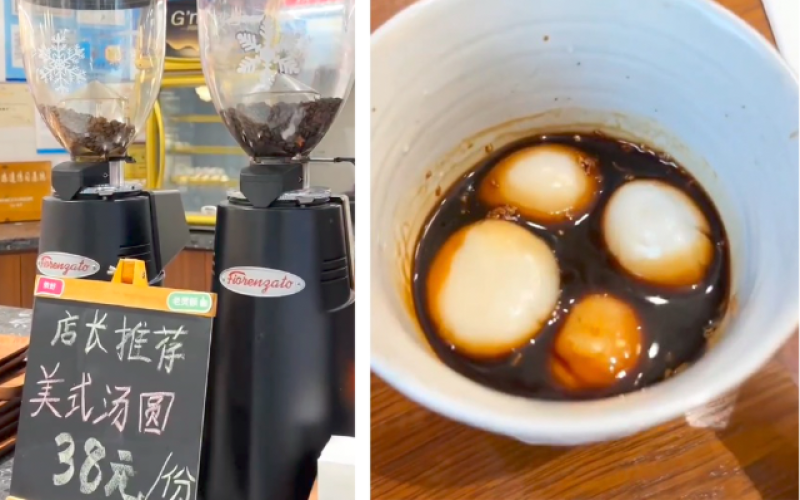
Four American-style tangyuan for 38 yuan sparks debate: After KFC's limited affogato, the value for money of new coffee shop Lantern Festival offerings is questioned.
On the eve of the Lantern Festival, KFC launched a limited-edition "Tangyuan Affogato Romance"—affogato paired with black sesame tangyuan—sparking a check-in craze, but designated stores and limited supply left many netizens empty-handed. Later, a café in Shanghai also rolled out Americano tangyuan: four freshly boiled black sesame tangyuan served in a ceramic cup, topped with a shot of espresso. However, the 38-yuan price tag and the taste of "super bitter coffee with super sweet tangyuan" drew complaints from netizens about poor value for money, and since it's simple to make, it can be replicated at home with household coffee equipment. This article will walk you through the ins and outs of this festive special and include Front Street Coffee's recommendations for making it at home. [more…]
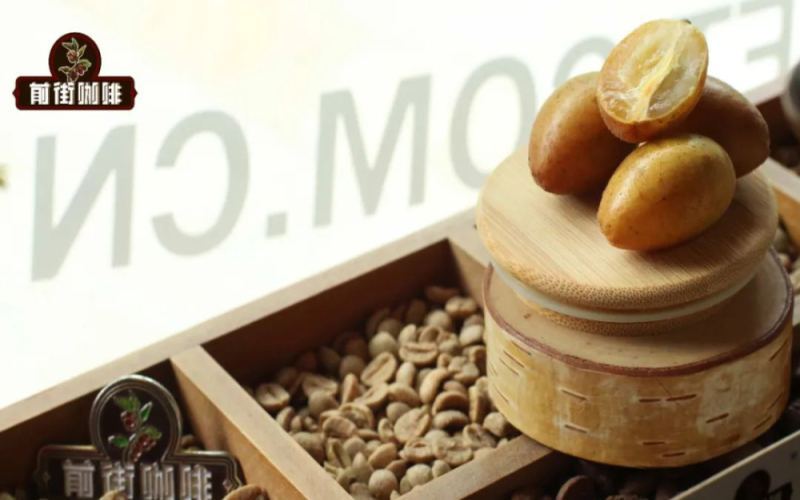
How to Make a Delicious Wampee Iced Americano? Three Special Recipes: Sparkling, Jasmine Tea, and Preserved Plum Iced Shake Detailed Tutorials
In the height of summer, wampee, a niche southern fruit, has become a popular partner for homemade iced coffee thanks to its sweet-and-sour juiciness and uniquely fresh aroma. Through repeated testing, Front Street Coffee has put together three distinctly different wampee iced americano recipes: the original wampee sparkling americano uses sparkling water to amplify the fruit aroma and add a more refreshing layer; the jasmine tea wampee americano blends homemade jam with a cold-brewed tea base for a soft fragrance; and the wampee preserved plum iced shaker americano targets those who dislike sweetness, using preserved plum water and a shaker to create a sugar-free version. All three recipes use Front Street Sunflower Warm Sun espresso blend, extracting 40g of coffee liquid from 20g of grounds in 31 seconds. Below, we break down the ingredients, steps, and production details one by one to help you find the cup that best suits your taste. [more…]
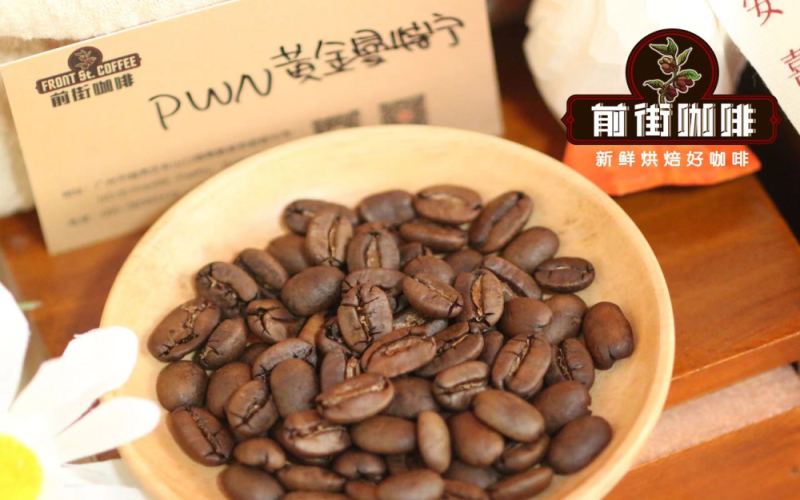
Moka Pot Tutorial Illustrated | Comparison of Coffee Ground Coarseness Between Moka Pot and Espresso Machine What Kinds of Coffee Beans Are Suitable for Moka Pot
The moka pot is the most affordable type of machine for brewing espresso coffee, and it is commonly used in Italian households. It was invented in 1933 by the Italian Alfanso Bialetti, and it brews coffee by heating the base, making it a type of steam-distillation method. The moka pot and 19 [more…]
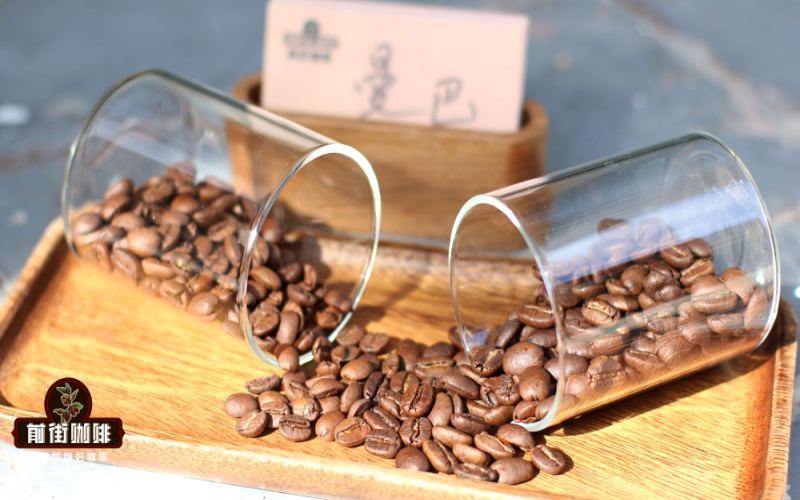
Is Mamba Coffee a Blend of Mandheling and Brazil? A Full Analysis of Ratios, Flavor, and Origin Processing Methods
Mamba coffee, as the name suggests, is a classic combination of Mandheling and Brazilian coffee. Common ratios include 50:50, 6:4, and 7:3, with different roast levels bringing about completely different flavor expressions. This article will start from the blending logic of Mamba, analyzing the origin characteristics of Mandheling and Brazilian Cerrado, the differences in processing methods, and how the two combine to form a unique taste that is rich, sweet, and balanced between acidity and bitterness. At the same time, the article will introduce how Front Street Coffee's classic blend pairs Sumatra G1 Mandheling with Brazilian Cerrado Red Bourbon, presenting an espresso flavor that is low in acidity, full-bodied, and carries aromas of dark chocolate and caramel, helping coffee lovers fully understand the charm of this blend. [more…]
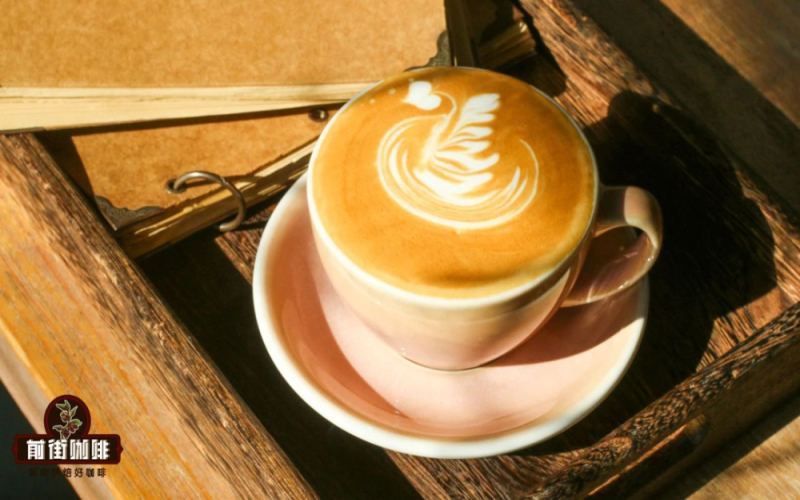
A Guide to Making Creative Plum Cream Latte Coffee: Required Ingredients and Two Special Recipes Explained in Detail
Having grown accustomed to regular lattes, sometimes you want to try something new without it being too strange. Front Street recently learned a preserved plum cream latte—the process isn't complicated, but the flavor is quite outstanding. Preserved plum itself combines sour, sweet, and salty notes, and when paired with cream and espresso, the proportions of the three need to be carefully balanced: too much preserved plum will overpower the drink, too much cream easily becomes cloying, and coffee that's too strong will suppress the aroma of the preserved plum. This article will break down the entire approach to this specialty drink, from making the preserved plum syrup and controlling the amount of cream to selecting espresso beans, as well as two preparation methods: the assembly method and the ice-shake method. [more…]
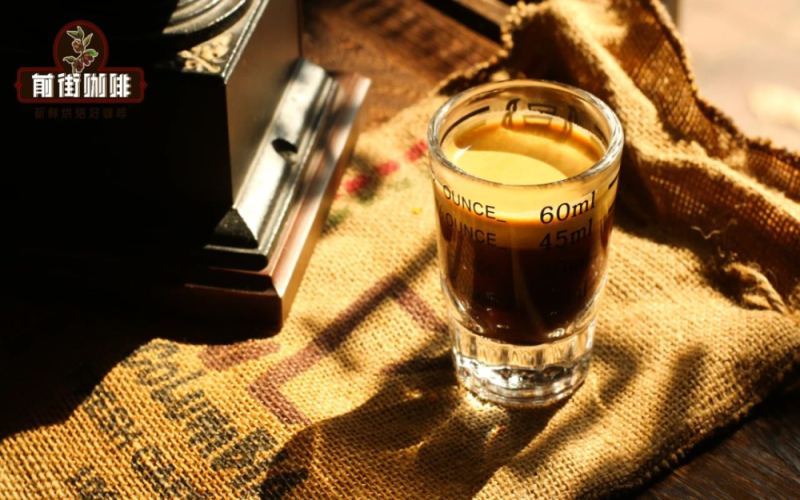
How to Choose Espresso Beans? A Full Breakdown of Blending Techniques, Roast Levels, and SOE Single-Origin Beans
When buying coffee beans, have you ever noticed that "espresso beans" are always listed as a separate category? This is closely tied to its unique brewing method. Espresso requires rapid extraction under 9 bars of pressure, which places special demands on the roast level and blend composition of the coffee beans. Starting from the principles of extraction, this article will explain why espresso beans are mostly medium-dark roasted, why blended beans need a distinction between primary and secondary components, and introduce the flavor characteristics of several Front Street Coffee espresso blends and SOE single-origin beans, helping you find the one that best suits your taste. [more…]